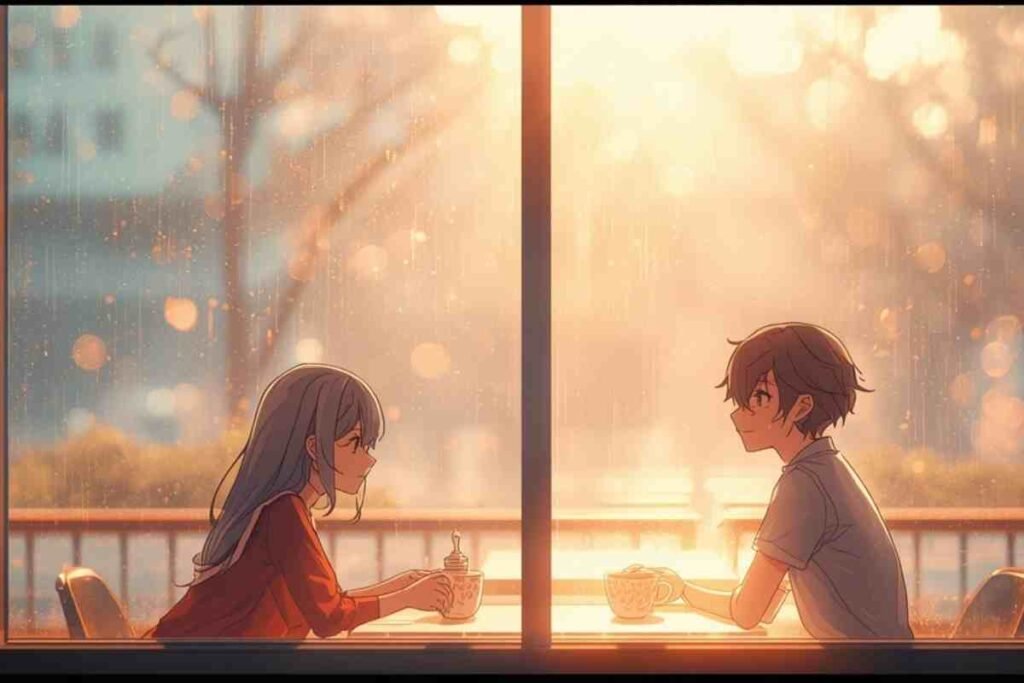
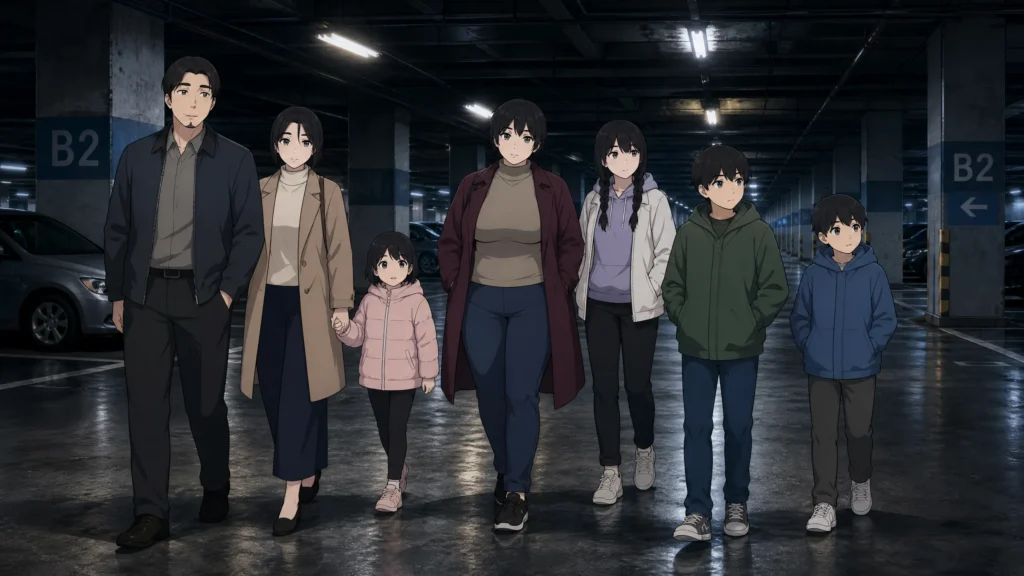
Pepper0 illustration is best understood through the combination of characters, scenes, expressions, environments, and visual details that appear across the artwork. Instead of relying only on written explanations, many Pepper0 images communicate context through what viewers can observe directly in the scene.
Characters, their positioning, facial expressions, clothing, surroundings, and interactions can all contribute to how an illustration is understood. When similar figures or visual elements appear across different pieces, comparing those details can also help readers notice patterns within the wider Pepper0 artwork.
This guide explores the main features of Pepper0 illustration, including its visual style, character design, composition, family focused artwork, digital art connection and practical ways to understand individual scenes.
What Is a Pepper0 Illustration?
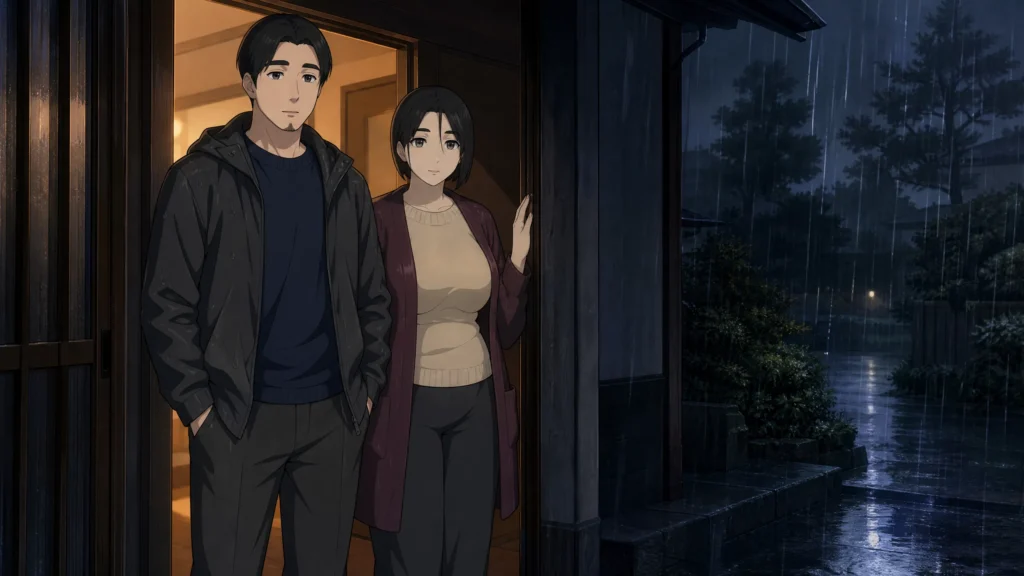
A Pepper0 illustration is a digital artwork centered on characters, scenes, and visual storytelling. Some images can function as individual moments, while others may connect with recurring characters, relationships, or themes found elsewhere in the artwork.
The meaning of an illustration does not always depend on dialogue or a detailed written explanation. A character’s expression, body language, position within the scene, and interaction with the environment can provide useful context.
This makes each image something that can be explored visually. Rather than looking for one explanation immediately, readers can first identify what is actually shown and then consider how the different elements work together.
What Defines the Pepper0 Illustration Style?
The visual identity of Pepper0 illustration comes from a combination of character-focused scenes, expressive presentation, environmental details, and recurring visual elements. There is not necessarily one single technique that defines every image.
Characters often provide the main point of attention. Their expressions, posture, clothing, and interaction with other figures can make a scene understandable even when little or no dialogue is available.
The surrounding environment also matters. Backgrounds, lighting, empty space, objects, and character placement can change the atmosphere of an image and help establish where the scene is taking place.
Character Design in Pepper0 Illustrations
Characters are an important part of understanding Pepper0 artwork because they give viewers something to recognize and compare across scenes. A recurring figure may become easier to identify through appearance, clothing, hairstyle, posture, or other consistent visual traits.
However, recognizing a recurring-looking character is not necessarily the same as knowing that character’s official name or complete background. The artwork can provide visual clues without answering every question directly.
One useful approach is to compare multiple appearances of a figure. Look for repeated features, similar clothing, familiar interactions, and consistent visual traits. This can help with character identification while keeping the analysis grounded in what the artwork actually shows.
Expressions and Body Language in Pepper0 Artwork
Facial expressions and body language can communicate information that might otherwise require dialogue. A character looking toward another figure, turning away, standing close, or maintaining a particular posture can change how a scene feels.
Small details can be especially useful. A change in eye direction, facial expression, hand position, or body orientation may draw attention to the relationship between characters or to an important moment within the scene.
These details are most useful when considered together rather than in isolation. The expression of one character may have a different meaning depending on who is nearby, what the characters are doing, and what is happening around them.
How Composition Works in Pepper0 Illustrations?
Composition refers to the way visual elements are arranged inside an image. In Pepper0 artwork, character placement can influence what the viewer notices first and how the relationship between figures is perceived.
Look at where the main characters are positioned within the frame. Then consider the space between them, the surrounding environment, and whether one figure receives more visual attention than another.
This can be particularly useful when recurring characters appear together. Their relative position can help establish the focus of a particular scene without requiring the viewer to rely on a written explanation.
Color, Lighting and Atmosphere
Color and lighting contribute to the overall atmosphere of an illustration. Rather than assigning one fixed meaning to every color, it is more useful to consider how the visual treatment works within the specific scene.
A softly lit setting may create a calm appearance, while stronger contrast can make particular figures or objects stand out. Background tones can also affect the overall mood of the image.
The important point is to look at these elements as part of the complete composition. Color and lighting can support the scene, but they do not automatically provide a fixed interpretation of what the characters are feeling.
How Backgrounds Add Context to Pepper0 Illustrations?
Backgrounds can provide information that characters alone cannot. A room, outdoor setting, piece of furniture, window, street, or other environmental detail can help establish the location and situation of a scene.
Character placement within that environment can be equally important. A figure standing alone in a large space creates a different visual impression from two characters occupying the same small area.
Not every background detail has a hidden meaning. In many cases, the most useful role of the setting is simply to provide context and make the scene easier to understand.
Recurring Visual Details Across Pepper0 Artwork
Comparing recurring visual details is one of the most useful ways to explore Pepper0 illustration. Instead of treating every image as completely separate, readers can look for elements that appear repeatedly.
Useful details to compare include:
- Recurring characters
- Similar clothing or visual traits
- Repeated locations or environments
- Familiar character interactions
- Similar objects or scene elements
- Consistent composition patterns
Repeated appearances can suggest continuity or a connection between scenes, but the strength of that connection depends on the available visual evidence. A single shared feature is less informative than several consistent details appearing across multiple artworks.
Pepper0 Illustration and Visual Storytelling
Pepper0 illustration can communicate a scene without depending entirely on conventional comic dialogue. The viewer may understand a moment by combining character expressions, gestures, positioning, setting, and other visual information.
This is where illustration and comics can overlap. A single image can capture one emotional or narrative moment, while a sequence of images can provide additional context and create a stronger sense of progression.
For a broader look at how these visual elements work within comic-style content, see the Pepper0 Comics Explained guide.
Pepper0 Illustration vs. Pepper0 Comic Artwork
Pepper0 illustrations and comic artwork can share characters, visual details, and storytelling techniques, but they do not always serve exactly the same purpose.
| Feature | Pepper0 Illustration | Pepper0 Comic Artwork |
| Main focus | A single visual moment | A sequence or connected moments |
| Story context | Usually limited to the visible scene | Can develop across several panels |
| Character information | Comes mainly from the image | Can build across multiple scenes |
| Composition | Designed around one frame | Can change from panel to panel |
| Interpretation | Often more open | May gain context from surrounding panels |
| Visual details | Carry much of the scene’s context | Work together across a sequence |
The distinction is useful because an individual illustration should not automatically be expected to provide the same amount of narrative information as a longer comic sequence.
Pepper0 Family Illustrations and Character Relationships
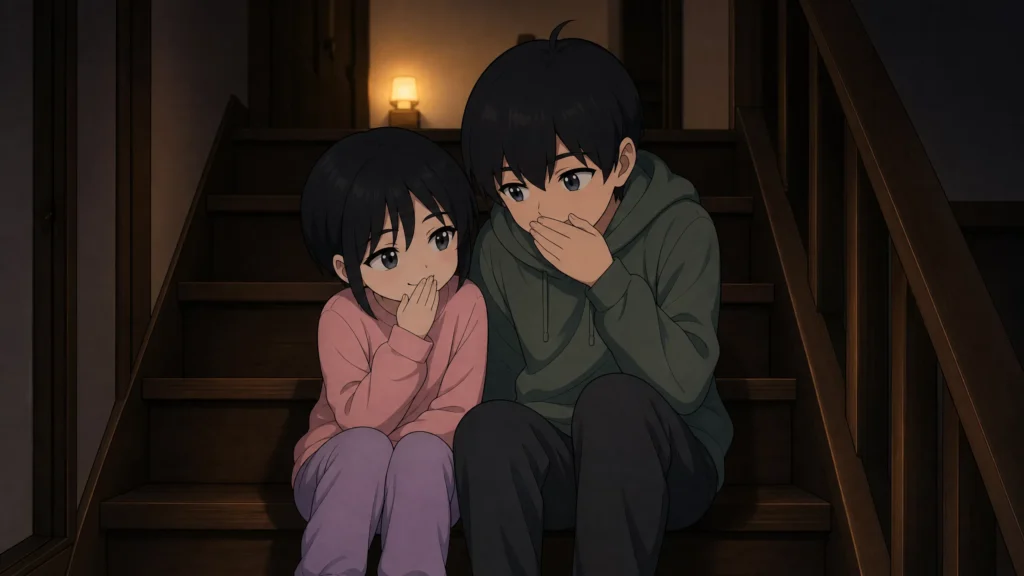
Family-focused artwork is another area readers may encounter when exploring Pepper0 content. These scenes can place several recurring figures together and give viewers an opportunity to study their interactions.
Relationships may be suggested through repeated appearances, shared spaces, character positioning, and familiar interactions. A reader can compare different scenes to see whether the same figures consistently appear together.
For more context about the characters and family-focused material, explore The Pepper0 Family. Readers interested in the broader background can also explore the site’s Pepper0 Family Lore content.
Pepper0 Illustration and Digital Artwork
Pepper0 illustration sits within the broader category of Pepper0 digital art, where digital artwork provides the visual foundation for different types of scenes and character-focused content.
Digital presentation allows artwork to combine characters, environments, lighting, textures, and composition within a single frame. For readers, however, the most useful aspect is not the technical process itself but how those elements work together visually.
If you want to explore the wider digital-art side of the topic, the Pepper0 Digital Art guide provides additional context.
What Makes a Pepper0 Illustration Different?
Pepper0 illustration is not defined by one specific artistic technique. Its visual identity comes from how characters, scenes, expressions, and surrounding details work together.
Many illustrations use character-focused compositions, expressive body language, recurring visual details, and scene-based environments. Family interactions and comic-style presentation can also add context to individual artworks.
Together, these elements give readers a practical way to understand Pepper0 illustrations while leaving room for different interpretations.
How to Read a Pepper0 Illustration?
You do not need extensive knowledge of Pepper0 to begin analyzing an illustration. A simple step-by-step approach can make the artwork easier to understand.
Identify the Main Character
Start by finding the figure that receives the most visual attention. Note the character’s appearance, posture, expression, and position.
Look at Other Characters
Check whether additional figures are present. Their distance, interaction, and direction of attention can provide useful context.
Examine the Setting
Look at the environment around the characters. Identify the location, major objects, and background details that help establish the scene.
Study the Composition
Consider how the figures and other elements are arranged. Ask what your eyes notice first and how empty or occupied areas of the frame affect the scene.
Compare Related Artwork
If a character, location, or visual element looks familiar, compare it with other Pepper0 artwork. Repeated details can provide stronger context than a single image viewed alone.
Separate What You See From What You Think
First describe the visible details. Only after that should you consider what those details might suggest. This simple distinction helps keep the analysis clear.
Example: How to Analyze a Pepper0 Illustration?
Start by observing what is clearly visible, including the characters’ posture, expressions, position, and surrounding setting. These details help explain the scene without relying on outside assumptions.
Next, consider the composition and relationship between the characters. Their distance, interaction, and placement may suggest familiarity, communication, or emotional distance.
However, one scene cannot confirm a specific family relationship or backstory. Always separate what the artwork shows from what you interpret from it.
Observable Details vs. Interpretation
A useful way to understand Pepper0 illustration is to separate observation from interpretation.
Observable detail: A character appears beside another character in the same scene.
Interpretation: The two characters may have a close relationship.
The first statement describes something visible. The second suggests what that detail could mean. Both can be discussed, but they should not be presented as the same type of information.
This approach is especially helpful when comparing recurring characters or family-focused scenes. It allows readers to explore possible connections while keeping the original artwork at the center of the discussion.
Common Mistakes When Reading Pepper0 Illustrations
The common errors readers make when trying to understand Pepper0 artwork, such as assuming every detail has a fixed meaning, connecting unrelated scenes, or treating personal interpretations as confirmed facts.
Assuming Every Illustration Belongs to One Story
Similar characters or visual styles do not automatically mean every artwork is part of one continuous storyline. Compare multiple details before drawing a broader connection.
Treating Fan Interpretations as Confirmed Facts
Online discussions can offer interesting theories, but a theory should remain a theory unless reliable information supports it.
Focusing on One Detail Without Considering the Whole Scene
A facial expression, object, or clothing detail can be interesting, but its meaning becomes clearer when considered alongside the rest of the image.
Ignoring Recurring Visual Patterns
The opposite mistake is treating every image as completely isolated. Repeated characters, settings, and interactions can provide useful context when they appear consistently.
Where to Explore Pepper0 Illustrations
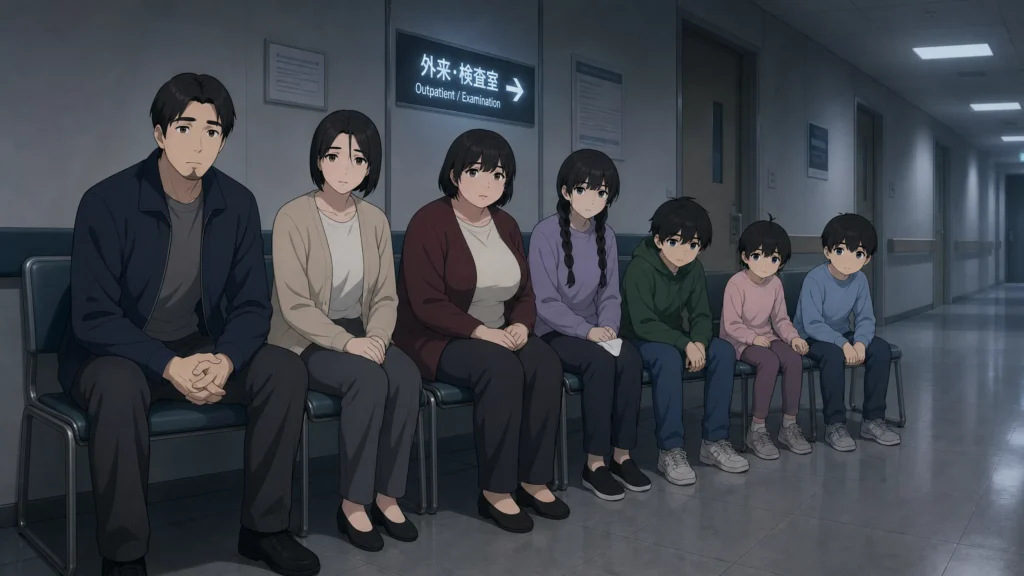
Readers can explore different aspects of Pepper0 content through related guides and resources. The Pepper0 homepage provides the main starting point for exploring the wider site.
For background information, the Pepper0 Origins guide can provide additional context. Readers interested in comics can continue with Pepper0 Comics Explained, while those interested in family-focused content can explore The Pepper0 Family.
This creates a useful path through the topic: start with the artwork, compare recurring visual details, explore related characters and family scenes, and then move into the wider Pepper0 universe when more context is needed.
Conclusion
Pepper0 illustration is best explored by looking closely at the relationship between characters, expressions, composition, environments, and recurring visual details. These elements can provide context even when an image does not offer a detailed written explanation.
The most useful approach is simple: observe first, compare carefully, and interpret second. Looking at several related artworks can reveal patterns while keeping the distinction between visible details and personal interpretation clear.
For anyone exploring Pepper0 artwork, this approach provides a practical way to understand individual scenes while also discovering how characters, family-focused content, digital artwork, and comic-style storytelling connect across the wider Pepper0 collection.
FAQs
What is Pepper0 illustration?
Pepper0 illustration refers to digital artwork centered on characters, scenes, visual details, and forms of visual storytelling associated with Pepper0 content.
What are the main features of Pepper0 illustrations?
Common features to examine include character-focused compositions, expressive faces, body language, environmental details, recurring visual elements, and scene-based presentation.
Is Pepper0 illustration the same as Pepper0 digital art?
Pepper0 illustration can be considered part of the broader Pepper0 digital-art category. Illustration focuses on the individual visual work, while digital art can describe the wider form of artwork.
Are Pepper0 illustrations connected to comics?
Some illustrations can overlap with comic-style storytelling because they use characters and scenes to communicate visual information. However, a single illustration does not necessarily provide the same narrative structure as a comic sequence.
How can I understand a Pepper0 illustration?
Start by identifying the main characters, then examine their expressions, body language, setting, composition, and recurring details. Compare related artwork when available before forming an interpretation.
Do Pepper0 illustrations have one fixed meaning?
Not necessarily. Visible details can provide useful context, but some aspects may remain open to interpretation. It is helpful to separate what the artwork clearly shows from what a viewer believes it may suggest.