Pepper0 Family lore is built around more than individual images. Across different family-focused artworks, recurring characters, settings, interactions, and emotional situations can create the impression of a connected world. Instead of presenting a complete storyline, the artwork gives viewers individual moments and leaves much of the context open.
That makes the lore interesting to explore, but it also requires some caution. Not every relationship, character detail, or supposed event has been officially explained.
Some details can be observed directly, while others are interpretations based on patterns across the artwork.
This guide examines the Pepper0 Family lore through those two perspectives: what the artwork can reasonably show and what viewers may interpret from it.
What Is Pepper0 Family Lore?
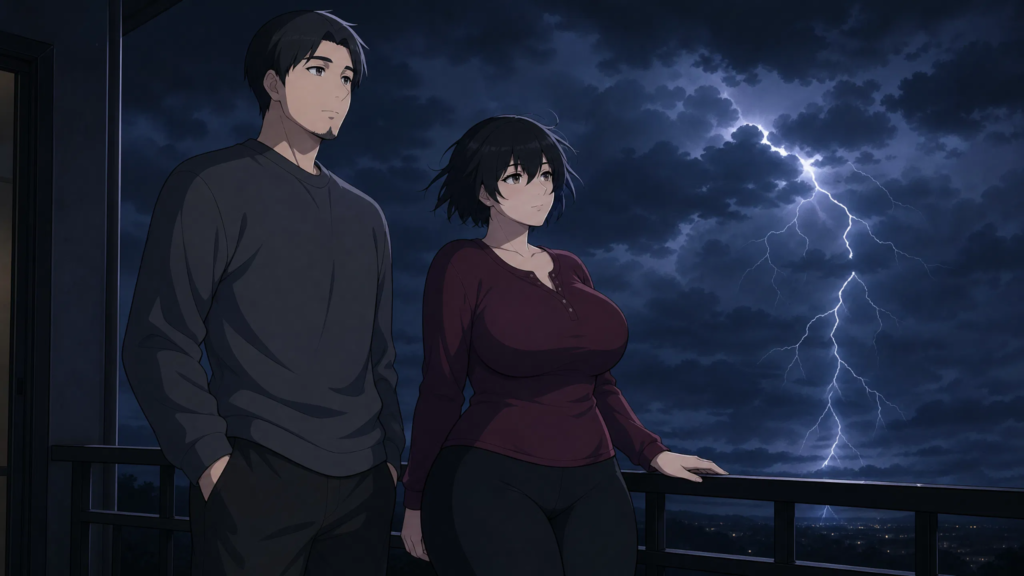
Pepper0 Family lore refers to the recurring characters, relationships, situations, themes, and visual connections found across the family-centered side of Pepper0. It is not a conventional storyline that can simply be read from chapter one to the final chapter.
Instead, individual scenes provide pieces of a larger picture. A character may appear in different situations, family members may interact repeatedly, and familiar environments can make separate artworks feel connected.
The important point is that the lore is partly interpretive. A recurring character or relationship can be observed, but a detailed backstory should not be treated as official unless it has been clearly established.
How the Pepper0 Family Story Is Built?
The family story develops through repeated situations rather than a clearly documented plot. An artwork can show a particular moment without explaining exactly what happened before it or what will happen afterward.
This gives individual scenes a sense of independence while still allowing viewers to connect them. For example, seeing related characters together in multiple family settings can make their relationship feel established even when no written explanation accompanies the images.
This structure also explains why Pepper0 Family lore can feel larger than any single artwork. The viewer is not simply following a sequence of events; they are gradually building an understanding from separate pieces.
Recurring Characters and Family Relationships
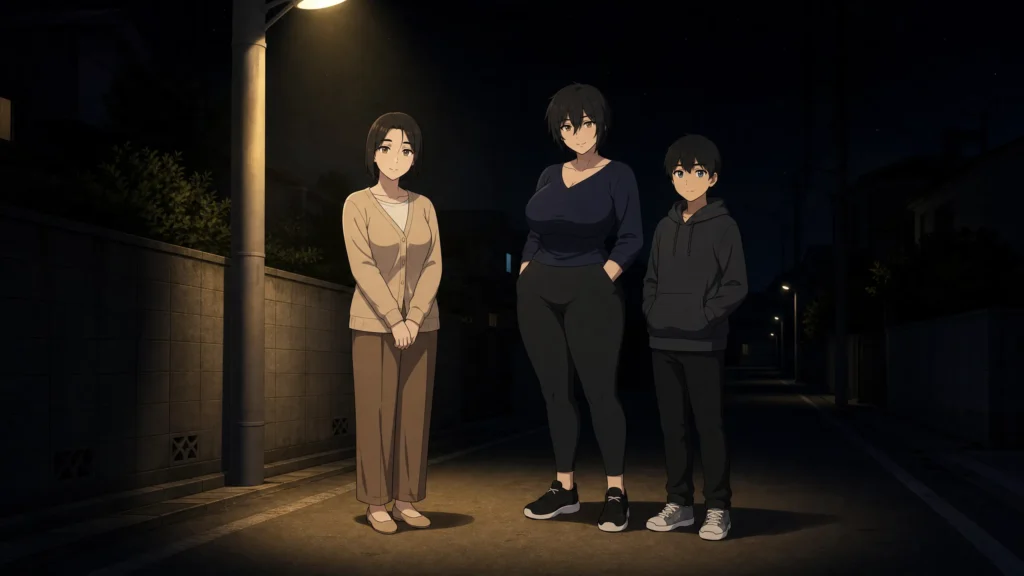
Characters are one of the clearest ways to identify possible continuity within the Pepper0 Family. When similar figures appear repeatedly, their interactions can provide clues about how they relate to one another.
A character appearing beside another figure in several different situations may suggest an established connection. Likewise, repeated interactions between younger and older figures can encourage viewers to interpret them as family members, although the exact relationship should not be assumed without supporting evidence.
This is where the distinction between character observation and character theory becomes important. It is reasonable to discuss a recurring relationship visible in the artwork, but assigning an exact name, biography, or backstory without confirmation can turn interpretation into misinformation.
Clues That Connect Different Pepper0 Family Scenes
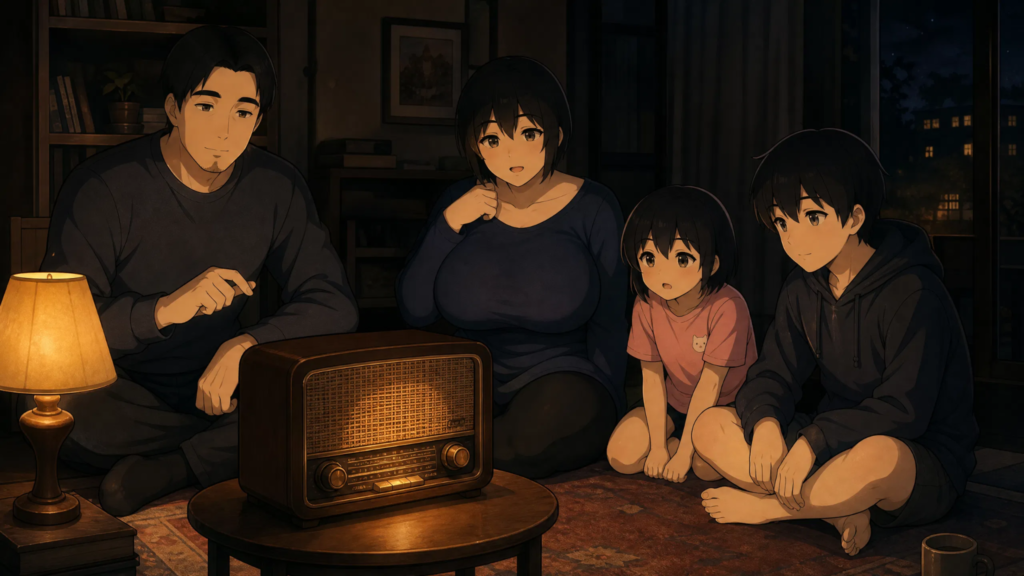
One of the most useful ways to explore the lore is to compare scenes rather than examining each artwork separately. Look for details that appear more than once and consider whether they create a meaningful connection.
Recurring household environments are one example. Similar locations can establish a familiar setting, while repeated combinations of characters can suggest that certain relationships are important to the wider family story.
Changes between related scenes can also be interesting. If characters appear together in different circumstances, their changing positions, activities, or interactions may provide more context than a single image can offer.
For more examples of the family-focused moments that make these connections possible, explore Pepper0 Family Scenes.
Everyday Moments Can Reveal Character Dynamics
The ordinary nature of many family scenes is important because it shifts attention away from major events and toward relationships. A simple shared activity can reveal who spends time together, who takes part in an interaction, and who remains separate from it.
For example, the difference between characters interacting directly and characters occupying the same space without interacting can change how a scene feels. These small differences may provide useful context when comparing several artworks.
Rather than treating every ordinary scene as evidence of a hidden event, it is better to use these moments as pieces of character context. They help establish the environment in which the family exists without requiring a dramatic storyline.
Themes Within Pepper0 Family Lore
Family connection is an obvious theme, but the artwork can also be read through ideas such as familiarity, distance, routine, and shared experience. These themes become more noticeable when similar situations appear across different scenes.
Another recurring idea is the importance of small moments. The artwork does not always need a major event to create meaning. A quiet interaction can communicate a relationship simply by showing who is present and how they respond to one another.
This approach gives the family scenes an observational quality. Instead of explaining exactly what each character feels, the artwork gives viewers enough information to form their own reading of the moment.
How Artwork Helps Build the Lore
The visual design matters because the artwork often provides information that written narration would normally explain. Composition, character placement, expressions, lighting, and setting can influence how viewers understand a particular scene.
However, these elements should be used as clues rather than automatic proof. A character looking away, for instance, does not necessarily establish sadness or conflict.
The surrounding scene and repeated context need to be considered before assigning a specific meaning.For a broader look at how these visual elements contribute to Pepper0’s artwork, see Pepper0 Artwork Explained.
The Role of Visual Storytelling
Pepper0’s visual storytelling becomes especially relevant when there is limited written context. Instead of relying entirely on dialogue or narration, an image can communicate relationships through what characters are doing and where they are positioned.
This can be seen in the difference between simply placing two characters in the same scene and showing them actively interacting. The latter provides stronger evidence of a relationship, while the former may only establish that they share an environment.
The result is a style of storytelling where the viewer has to pay attention to visual details. That same approach is part of what makes the family artwork open to multiple interpretations.
You can explore this side of the project in more detail through Pepper0 Comic Art.
Possible Pepper0 Family Lore Interpretations
One possible interpretation is that the recurring family scenes represent an ongoing family environment rather than isolated illustrations. The repeated presence of related characters can make the artwork feel like snapshots from the same broader world.
Another interpretation focuses on relationships instead of chronology. Rather than trying to arrange every artwork into an exact timeline, viewers can examine which characters repeatedly interact and what those interactions reveal about their connection.
A third approach is to read the artwork primarily through its themes. Under this interpretation, the exact sequence of events matters less than the recurring ideas of family, routine, connection, and emotional distance. None of these interpretations should automatically be treated as an official explanation.
Confirmed Details vs. Fan Interpretation
This distinction is essential when discussing Pepper0. An artwork can provide direct visual evidence, but that evidence does not necessarily establish a complete backstory.
For example, if two characters repeatedly appear together, it is reasonable to discuss their recurring interaction. It is much less reliable to invent specific events from their past unless those events are supported by a clear source.
A useful approach is to divide lore discussions into three levels: what is visible, what can reasonably be inferred, and what remains speculation. Keeping those categories separate makes the analysis more trustworthy and allows readers to reach their own conclusions.
Why does Lore Leaves Room for Interpretation?
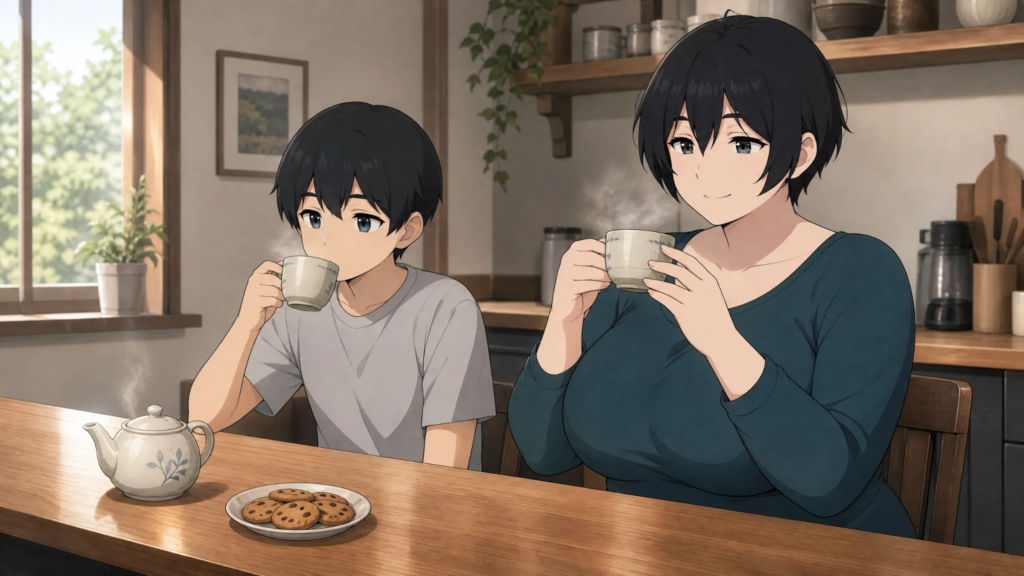
The lack of a fully explained narrative is not necessarily a weakness. It gives individual artworks enough space to stand on their own while allowing viewers to search for connections between them.
Two people can examine the same scene and notice different details. One might focus on the family relationship, while another might pay more attention to the setting or emotional atmosphere.
That openness is part of the appeal of Pepper0 Family lore. Instead of giving viewers a single explanation for every scene, the artwork leaves enough context for personal interpretation without requiring every interpretation to be correct.
How to Explore Pepper0 Family Lore?
The best starting point is the artwork itself. Look for recurring characters, repeated settings, familiar interactions, and details that appear across more than one scene.
Next, compare those observations instead of immediately building a theory. Ask whether the same characters consistently appear together, whether their interactions change, and whether repeated locations or activities provide additional context.
Finally, separate observation from interpretation. The wider Pepper0 project can provide useful context, while related guides on its artwork, comic art, and family scenes can help you examine different parts of the visual world without treating speculation as established lore.
Conclusion
Pepper0 Family lore is best understood as a collection of connected visual clues rather than a fully documented storyline. Recurring characters, family interactions, familiar settings, and repeated themes can create a sense of continuity across different artworks.
The most interesting part is the space between what the artwork clearly shows and what viewers can reasonably interpret from it. That space allows the family scenes to feel connected without forcing every detail into a fixed explanation.
For that reason, the strongest way to explore Pepper0 Family lore is to stay curious while remaining accurate. Observe the recurring patterns, compare related scenes, consider possible meanings, and keep theories clearly separated from confirmed details.
FAQs
What is Pepper0 Family lore?
Pepper0 Family lore refers to the recurring characters, relationships, scenes, themes, and visual details connected with the Pepper0 Family. Rather than following one clearly documented storyline, the lore is largely understood by comparing different artworks and interpreting recurring patterns.
Is Pepper0 Family lore an official story?
There is no single, fully documented storyline that explains every Pepper0 Family scene and character. Some details can be observed directly in the artwork, while other parts of the lore are interpretations based on recurring characters, situations, and visual clues.
Who are the main characters in Pepper0 Family lore?
The Pepper0 Family includes recurring family-oriented characters who appear across different scenes. Their exact names, backgrounds, and relationships are not always clearly established, so it is better to identify them through their recurring roles and interactions rather than assume unsupported character details.
Does Pepper0 Family have a timeline?
A complete official timeline is not clearly established. Some artworks can be compared through recurring characters, locations, and situations, but arranging every scene into a definitive chronological order would involve interpretation.