
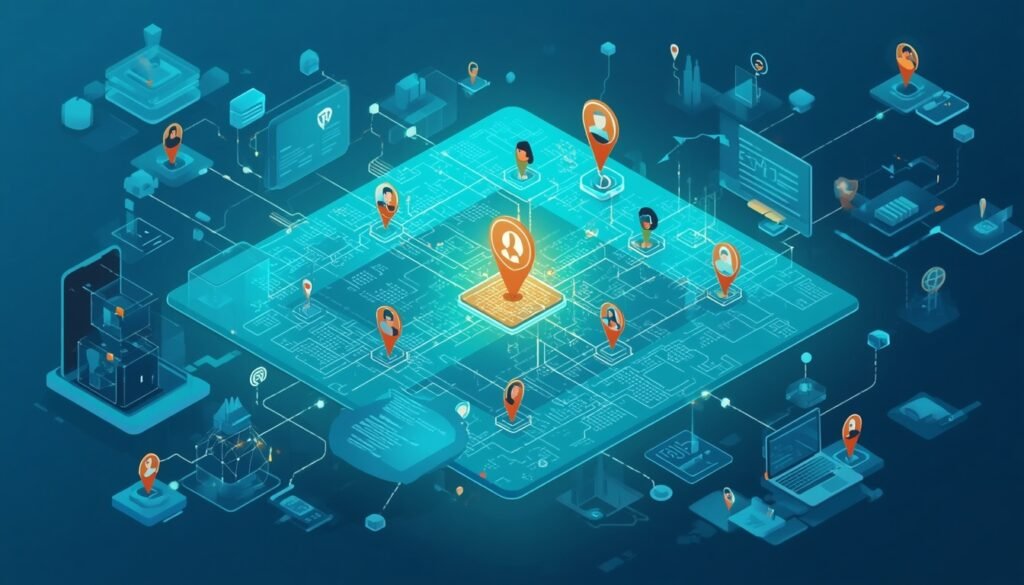
Communities are strongest when people have access to reliable information. Whether it is a traffic incident, severe weather, a missing person, or another local concern, timely updates help residents make informed decisions and support one another. Community reporting plays an important role in this process by allowing people to share useful information that improves public awareness without creating unnecessary panic.
When information is reported responsibly, neighborhoods become better prepared for unexpected situations. Residents know what is happening nearby, local organizations can respond more effectively, and emergency services can focus on situations that require immediate attention.
Public safety is not the responsibility of one organization alone. It depends on cooperation between community members, local authorities, and trusted information sources working toward the same goal.
What Is Community Reporting?
Community reporting is the process of sharing verified information about events or situations that may affect people living or working in a particular area. Unlike rumors or social media speculation, responsible community reporting focuses on facts that help others stay informed.
Examples include reporting road closures, severe weather, suspicious activity, missing persons, neighborhood emergencies, or other situations where timely awareness benefits the community.
The purpose is not to investigate incidents or replace emergency responders. Instead, community reporting supports public awareness by helping accurate information reach the people who may be affected.
Why Accurate Information Matters
Information spreads faster than ever before. While this allows communities to stay connected, it also increases the risk of misinformation.
An inaccurate report can cause confusion, unnecessary fear, or wasted emergency resources. People may change travel plans, avoid certain areas, or share incorrect information with friends and family before the facts are confirmed.
Accurate reporting helps prevent these problems. It gives residents confidence that the information they receive is reliable and encourages responsible communication throughout the community.
Trust grows when people know updates are based on verified observations rather than assumptions.
The Connection Between Community Reporting and Public Safety
Public safety depends on awareness. The earlier people receive accurate information, the better they can respond to changing situations.
Community reporting supports public safety by:
- Increasing neighborhood awareness.
- Helping residents avoid potential hazards.
- Supporting emergency preparedness.
- Encouraging cooperation among community members.
- Reducing confusion during developing situations.
When communities communicate responsibly, they become more resilient during emergencies because people already understand where to find dependable information.
How Responsible Reporting Works
Effective community reporting follows a simple principle: share facts, not assumptions.
Before posting or forwarding information, responsible community members take time to verify what they know. If details cannot be confirmed, they avoid presenting speculation as fact.
Useful reports usually answer basic questions such as:
- What happened?
- Where did it happen?
- When did it happen?
- Is the information personally observed or confirmed?
Providing clear answers helps others understand the situation without unnecessary confusion.
Verification Builds Community Trust
Trust is earned through consistency.
When residents repeatedly receive accurate updates, they become more confident in the sources providing those reports. Over time, reliable reporting creates stronger neighborhood communication and encourages more people to participate responsibly.
Verification may involve:
- Confirming information through multiple reliable sources.
- Checking official announcements when available.
- Updating reports as new facts become available.
- Correcting mistakes quickly if incorrect information was shared.
Communities benefit when accuracy is valued more than speed.
The Risks of Misinformation
False information can spread within minutes, especially on social media.
Common causes include:
- Sharing screenshots without context.
- Reposting outdated incidents.
- Misidentifying locations.
- Making assumptions without evidence.
- Posting edited photos or videos that create a false impression.
These mistakes reduce public confidence and make it more difficult for people to identify trustworthy information during genuine emergencies.
Responsible reporting helps limit these risks by encouraging careful verification before sharing updates.
Everyone Has a Role to Play
Community reporting is not limited to local officials or emergency services. Every resident can contribute to a safer neighborhood by communicating responsibly.
Simple ways to help include:
- Reporting verified safety concerns.
- Sharing updates from trusted sources.
- Correcting misinformation respectfully.
- Encouraging neighbors to verify information before sharing.
- Supporting local community safety initiatives.
Small actions from many individuals often have a greater impact than one large effort from a single organization.
Respecting Privacy While Reporting
Public safety should never come at the expense of personal privacy.
When sharing information, avoid publishing private addresses, personal identification, vehicle information, or photographs that unnecessarily identify individuals.
The focus should remain on informing the community about the event rather than exposing the people involved.
Respecting privacy helps maintain public trust while protecting the rights of everyone in the community.
Technology Has Improved Community Awareness
Modern communication tools allow neighborhoods to receive updates almost instantly.
Community safety platforms, neighborhood forums, local alert systems, and messaging groups help residents stay informed about important events as they develop.
Technology makes communication faster, but it does not replace responsible judgment. The value of any alert depends on the accuracy of the information behind it.
Combining modern technology with responsible reporting creates stronger and more informed communities.
Building Stronger Communities Through Communication
Strong communities are built on trust, cooperation, and shared responsibility.
When neighbors communicate openly and responsibly, they become better prepared for unexpected situations. Accurate reporting reduces uncertainty, improves public awareness, and encourages people to support one another during challenging times.
Communities that value reliable information often respond more effectively during emergencies because residents already understand how to communicate clearly and verify facts before sharing them.
Final Thoughts
Community reporting is one of the most valuable tools for improving public safety and neighborhood awareness. Accurate information helps people make informed decisions, supports emergency preparedness, and strengthens trust throughout the community.
Every report should be guided by responsibility, respect, and a commitment to accuracy. Sharing verified information instead of speculation helps create neighborhoods where people feel informed, connected, and better prepared for whatever challenges may arise.
As communities continue to rely on digital communication, responsible reporting will remain an essential part of protecting public safety and building stronger neighborhoods for everyone.