
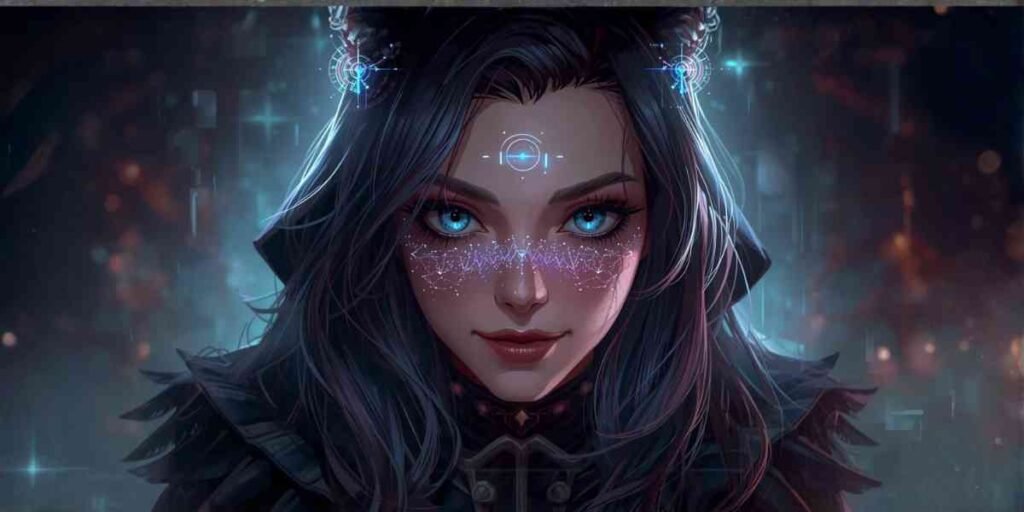
If you’ve been searching how make an ai uvula version of sharkdiaries’s morgana vore, you’re probably not looking for theory. You want a real, practical guide. Something clear. Something you can actually follow.
This article will walk you through the entire process, from understanding the character to building a working AI persona using modern tools.
Whether you’re an AI creator, roleplay enthusiast, prompt engineer, or just experimenting with character simulation, this guide will help you design a detailed, consistent, and immersive AI version of Morgana, while staying creative and technically structured.
Let’s break it down properly.
Understanding the Character and Concept
Before touching any AI technology tool, you need clarity. Most people skip this part. That’s why their AI characters feel flat.
Who Is Morgana in Sharkdiaries?
Morgana is typically portrayed as a layered character within the Sharkdiaries universe. She isn’t one-dimensional. That’s important.
Background:
She exists within a fantasy-driven narrative environment. Her role often blends dominance, allure, and psychological tension.
Personality Traits:
- Mischievous
- Emotionally complex
- Confident
- Teasing
- Sometimes nurturing, depending on context
Narrative Style:
The storytelling around her usually leans into slow tension-building. Dialogue carries emotional weight. Scenes are immersive rather than rushed.
Core Emotional Tone:
The emotional energy tends to move between:
- Calm control
- Playful dominance
- Subtle psychological interaction
If you don’t deeply understand these layers, your AI model will feel generic.
What Does “AI Uvula Version” Mean?
When people search how make an ai uvula version of sharkdiaries’s morgana vore, they often mean building a stylized AI persona that captures tone, personality, and interaction style — not just a chatbot with random lines.
An “AI uvula version” typically refers to:
Text-Based AI Persona
A conversational model trained or prompted to behave like the character.
Character Simulation
The AI mimics speech patterns, emotional responses, and personality logic.
Voice, Tone & Behavioral Modeling
It responds in-character consistently, with defined rules and emotional reactions.
You are not just generating text. You are building behavior.
What Defines the Vore-Themed Character Context?
This theme usually involves fantasy storytelling centered around transformation or consumption motifs. It is fictional and symbolic, rooted in imagination rather than realism.
When designing the AI persona:
Narrative Elements
- Power dynamics
- Emotional tension
- Roleplay interaction
Fantasy Themes
- Heightened sensory language
- Suspense-based pacing
- Symbolic dominance
Tone and Emotional Dynamics
- Slow emotional escalation
- Playful teasing before intensity
- Controlled pacing
Psychological Interaction Style
- Reacts to user fear or curiosity
- Maintains confidence
- Avoids breaking character
Understanding this context ensures your AI behaves consistently instead of randomly.
Planning Before Building the AI Model
If you’re serious about mastering how make an ai uvula version of sharkdiaries’s morgana vore, planning matters more than tools.
Define Character Blueprint
Here’s a structured breakdown you should create before writing prompts:
| Character Element | Description | Why It Matters |
|---|---|---|
| Personality Core | Mischievous, seductive, layered | Shapes dialogue |
| Speech Style | Playful, teasing, dramatic | Controls tone |
| Emotional Range | Calm → dominant → nurturing | Realistic responses |
| User Interaction Style | Reactive & immersive | Engagement depth |
| Boundaries | Content moderation rules | Platform safety |
This table becomes your foundation.
Without it, your character will shift personalities mid-conversation.
Choosing the Right AI Tools
Tool selection affects realism.
Text-Based AI Models
For roleplay simulation, you typically use:
- Large language models (LLMs)
- Roleplay-friendly chat platforms
- Custom chatbot builders
You have two main methods:
Prompt Engineering
- No training required
- Uses structured system prompts
- Faster setup
Fine-Tuning
- Requires dataset
- More consistent personality
- Higher realism
For beginners exploring how make an ai uvula version of sharkdiaries’s morgana vore, prompt engineering is enough.
Image Generation Tools (If Visual Version Needed)
If you want a visual representation:
Stable Diffusion Models
- Create stylized character art
- Control details through prompts
Character Consistency Methods
- Use reference images
- Train LoRA models for facial consistency
LoRA Training Basics
- Collect consistent character visuals
- Train low-rank adaptation model
- Apply to base diffusion model
Visual consistency adds immersion.
Voice AI (Optional)
If you want audio interaction:
Voice Cloning Tools
- Text-to-speech engines
- Adjustable pitch and tone
Emotional Tone Layering
- Add breath control
- Slow pacing
- Subtle pauses
Voice increases realism but is optional.
How to Build the AI Persona Step by Step
Now we move into execution.
Step 1 – Write a Character System Prompt
This is the brain of your AI.
Define:
- Character identity
- Personality traits
- Emotional limits
- Tone restrictions
- Interaction rules
Example structure:
“You are Morgana from a fantasy narrative universe. You speak in playful, confident tones. You maintain emotional control. You never break character. You react to user emotions with subtle escalation.Clear rules prevent drift.
Step 2 – Create Memory and Backstory
Consistency requires memory.
Character Lore Embedding
- Define origin
- Define motivations
- Define emotional triggers
Scenario Presets
- Casual encounter
- Tension build-up
- Psychological interaction
These presets guide conversations naturally.
Step 3 – Design Dialogue Patterns
AI realism comes from patterns.
Create:
Teasing Lines
- Playful hints
- Suggestive tone without repetition
Reactive Lines
- Respond differently to fear vs curiosity
Emotional Transitions
- Calm → playful → intense → controlled
Avoid robotic repetition.
Step 4 – Implement Scenario Testing
Testing is where most creators fail.
Use:
Roleplay Test Cases
- Calm interaction
- Emotional challenge
- Unexpected user input
User Emotion Responses
- Fear
- Confidence
- Curiosity
Iteration Method
- Adjust system prompt
- Refine emotional triggers
- Remove repetitive phrases
This is how you master how make an ai uvula version of sharkdiaries’s morgana vore properly.
Example Prompt Framework
Base Prompt Template
- Character identity
- Personality rules
- Tone restrictions
- Response formatting rules
- Character boundaries
Scenario Prompt Example
Situation:
User enters cautiously.
Emotional Cue:
User expresses nervous curiosity.
Desired Reaction:
Morgana responds playfully, maintains dominance, builds tension gradually.
Structure keeps responses intentional.
Fine-Tuning vs Prompt Engineering
| Approach | Best For | Pros | Cons |
|---|---|---|---|
| Prompt Engineering | Quick setup | No training required | Limited depth |
| Fine-Tuning | Advanced realism | Strong character consistency | Requires dataset |
For most creators exploring how make an ai uvula version of sharkdiaries’s morgana vore, start simple. Upgrade later.
Ethical and Legal Considerations
Fan-based AI characters require awareness.
Fan Content Boundaries
Respect original creator rights.
Attribution Awareness
Credit inspiration sources if publishing publicly.
Platform Guidelines
Check hosting platform rules before deployment.
Community Moderation
Avoid content that violates platform standards.
This protects your project long-term.
Common Mistakes to Avoid
- Overloading personality traits
- Ignoring tone consistency
- Making responses repetitive
- Skipping user testing
- Not defining boundaries
Most AI characters fail because they lack structure.
Advanced Tips for Realistic Character AI
If you want next-level immersion:
Emotional Escalation Layers
Define controlled progression.
Multi-Turn Memory Prompts
Remind AI of past interactions subtly.
Adaptive Personality Sliders
Increase dominance or playfulness based on user tone.
Scene Pacing Control
Slow conversations. Build tension naturally.
This separates amateur builds from immersive ones.
Testing and Iteration Framework
Use this checklist:
| Test Type | What to Check | Improvement Method |
|---|---|---|
| Personality Test | Consistency | Adjust system prompt |
| Emotional Test | Tone shifts | Refine emotion triggers |
| Lore Accuracy | Backstory alignment | Add memory injection |
| User Engagement | Response depth | Expand dialogue trees |
Testing should be ongoing.
Frequently Asked Questions (FAQ)
Do I need coding skills?
Not necessarily. Many AI platforms allow character building through structured prompts alone. If you understand how to write clear instructions and define personality traits, you can create a strong AI persona without coding. Coding becomes helpful only if you want custom deployment.
Can I build this without fine-tuning?
Yes. Prompt engineering is often enough for detailed character simulation. Fine-tuning improves consistency but is not required for a working AI persona. Start simple, test thoroughly, and refine your prompts over time.
What platform is best for roleplay AI?
It depends on your goal. Chat-based large language models are flexible and easy to control with system prompts. Dedicated roleplay platforms may offer easier character management. Choose one that allows strong system-level control.
How do I keep character consistency?
Consistency comes from structured prompts, emotional rules, and testing. Define personality limits clearly. Avoid giving conflicting instructions. Use memory reinforcement if available.
Is training data required?
Only if you want advanced realism. Most creators can build immersive characters without training datasets. However, curated dialogue samples can improve tone alignment during fine-tuning.
How do I improve realism?
Focus on pacing, emotional layering, and reaction variation. Avoid repetitive phrases. Make responses feel reactive, not scripted. Test with different emotional inputs and adjust accordingly.
Conclusion
Learning how make an ai uvula version of sharkdiaries’s morgana vore is not about copying dialogue. It’s about designing behavior.
Start with deep character understanding.
Create a structured blueprint.
Choose the right tools.
Build strong system prompts.
Test, refine, improve.
The real magic happens in iteration.
When creativity and technical structure meet, your AI character stops feeling like code, and starts feeling alive.